Kingston fly tipping laws and fines for illegal rubbish dumping
Posted on 30/07/2026

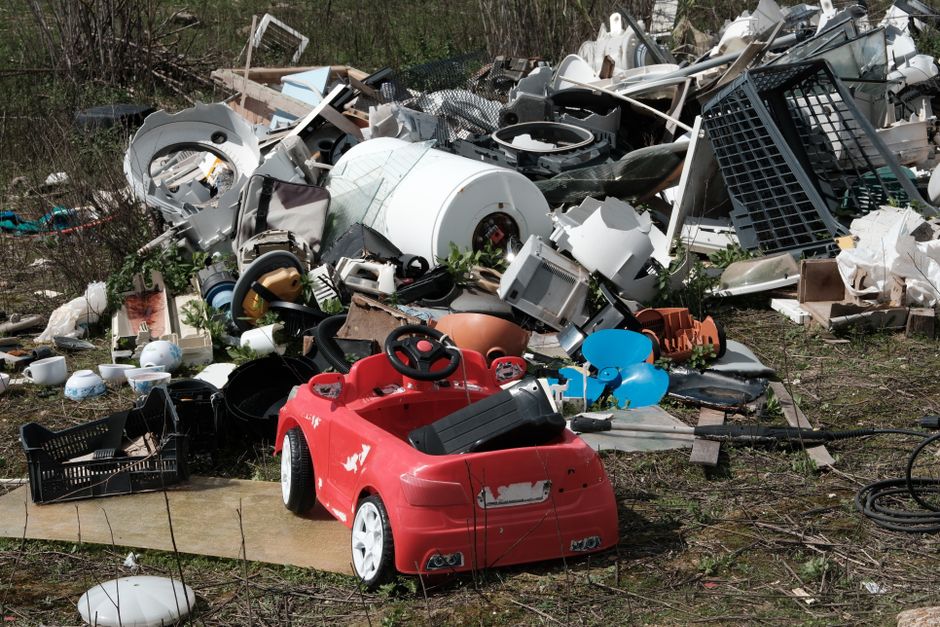
If you have ever seen a sofa abandoned beside a lane, a black sack ripped open on a footpath, or builders' waste dumped where it clearly should not be, you already know why Kingston fly tipping laws and fines for illegal rubbish dumping matter. The mess is obvious. The cost is not just visual either. It can affect neighbours, landlords, local businesses, and anyone who ends up responsible for clearing it. And yes, the rules can bite harder than people expect.
This guide breaks down what fly tipping means, how the law usually works in practice, what penalties can follow, and what to do if you need rubbish removed properly. It also covers the small but important decisions that help you avoid trouble in the first place. No legal jargon soup. Just the useful stuff, explained plainly.
Why Kingston fly tipping laws and fines for illegal rubbish dumping Matters
Fly tipping is not just a messy nuisance. It is an environmental and legal issue, and in Kingston the consequences can reach households, landlords, builders, shop owners, and even people who thought they were doing the right thing. Let's face it: most people do not plan to break the law. The trouble usually starts with convenience. Someone wants a quick disposal option, a van driver offers a cheap cash deal, or a pile of waste is left "just for one night." That one night can become a fine, an investigation, and a very awkward conversation with the council.
The reason the topic matters so much is simple. Illegal dumping creates knock-on effects that are bigger than the pile itself. It blocks pavements, attracts vermin, creates trip hazards, and leaves local residents to deal with the smell and the stress. In an area like Kingston, where residential streets, riverside paths, retail areas, and narrow access points all sit close together, a single incident can spread inconvenience fast.
There is also the responsibility side. If waste can be traced back to you, your property, your business, or your contractor, the issue can come back to you. That is why people searching for Kingston fly tipping laws and fines for illegal rubbish dumping are often really asking a deeper question: how do I stay safe, avoid blame, and make sure rubbish leaves my property legally?
For local context, waste issues often overlap with property management, refurbishments, and day-to-day life in busy parts of Kingston. If you are dealing with a move, a clear-out, or a commercial job, it helps to understand the wider area too. Some readers also find it useful to look at a local perspective on living and working in Kingston and Kingston's historic character and street layout, because access and street use can affect how waste should be handled. Not glamorous, maybe, but relevant.
How Kingston fly tipping laws and fines for illegal rubbish dumping Works
In plain English, fly tipping means leaving waste where you are not authorised to leave it. That can include a bag dropped beside a communal bin, a mattress left in an alley, builders' waste dumped near a wall, or household items abandoned in a car park. The key point is not the type of rubbish; it is the unauthorised disposal.
Penalties in the UK can vary depending on what happened, who was involved, how serious the dumping was, and whether there is evidence. In practice, enforcement can include fixed penalties, larger fines, vehicle seizure in serious cases, and prosecution. The exact outcome depends on the facts, not wishful thinking. If someone says, "It's probably fine," well, that is not a legal defence. It is just poor advice with a shrug attached.
One of the most important parts of enforcement is traceability. Officers may look for labels, invoices, address details, CCTV, witness reports, or other evidence that links the waste to a person or business. That means a bag of paperwork, packaging, or branded boxes can matter more than people think. A messy trail can become a real trail.
There is also a distinction between fly tipping and ordinary waste storage. For example, a correctly placed bin bag awaiting collection is not the same as rubbish abandoned in a public place. But if bags are left somewhere they should not be, or if waste spills into a shared area and remains there, the situation can drift into illegal dumping territory very quickly. That is why timing, placement, and proper collection arrangements matter.
For homes and businesses that want to stay on the right side of the rules, using a proper service is usually the simpler route. Kingston residents often choose scheduled rubbish services for day-to-day waste, or specialist support for larger clearances. If you are comparing options, the page on rubbish collection in Kingston is a useful place to understand compliant removal at a practical level.
Key Benefits and Practical Advantages
It may sound odd to talk about benefits when the subject is illegal dumping, but there are real practical upsides to understanding the rules properly.
- You reduce the risk of fines. This is the obvious one. If you know what counts as fly tipping, you are far less likely to make a costly mistake.
- You protect yourself from being blamed for someone else's waste. This happens more often than people expect, especially with shared access, rented properties, or contractor jobs.
- You keep your property and street cleaner. That improves first impressions, neighbour relations, and day-to-day safety. Simple but true.
- You make disposal planning easier. Once you know what needs to be sorted, you can choose the right method instead of improvising at the last minute.
- You avoid hidden costs. Cheap dumping often turns into expensive cleanup, replacement, or enforcement action later.
There is also a less obvious benefit: peace of mind. When rubbish is cleared legally and responsibly, you are not watching the window every time a van slows down outside. You are not wondering whether the bags in the alley will still be there next week. That matters more than people admit.
If sustainability is part of your decision-making, it also helps to choose a route that supports reuse and recycling where possible. Kingston households and businesses may want to review the site's recycling and sustainability approach before arranging disposal. A lawful solution can also be a cleaner one. Convenient, really.
Who This Is For and When It Makes Sense
This topic is relevant to more people than you might think. It is not just for people who have already been fined. It is for anyone who handles waste in Kingston and wants to stay out of trouble.
- Homeowners clearing lofts, garages, gardens, or renovation debris
- Landlords managing end-of-tenancy waste, void properties, or tenant left-behinds
- Tenants who need to dispose of bulky items without using the wrong spot
- Builders and tradespeople dealing with rubble, plasterboard, timber, packaging, and site waste
- Retailers and offices with regular commercial rubbish or occasional bulk clear-outs
- Anyone dealing with awkward access such as narrow alleys, shared courtyards, steep approaches, or limited parking
It also makes sense if you are in a hurry. Urgency is where bad decisions often happen. A skip is not available, the van is full, the weekend is close, and suddenly dumping seems like a shortcut. It is not a shortcut. It is a risk multiplier.
For example, if you are close to transport hubs or busy streets, fast and legal removal can be the better option. You may find the article on fast rubbish clearance near Kingston Station useful if you are trying to work around tight schedules. Likewise, access issues are very real in some parts of town, which is why narrow alley rubbish removal in Kingston is not a niche topic at all.
Step-by-Step Guidance
If you want to avoid illegal dumping problems, the best approach is structured and boring in the best possible way. Here is a simple process that works for most households and businesses.
- Identify the waste type. Separate household rubbish, bulky items, garden waste, builders' waste, electrical items, and anything potentially hazardous. Mixed waste can complicate everything.
- Check what can and cannot be left out. Shared bin areas, communal courts, roadside placement, and alleyways all have different risks. If in doubt, assume leaving it there is a bad idea until you know otherwise.
- Choose a legitimate disposal method. This might be council collection, a licensed clearance service, a skip, or a specialist removal for bulky or construction waste.
- Get a clear quote or booking confirmation. Make sure you understand what is being collected, when, and whether loading, access, or additional labour affects the price.
- Keep records. Retain receipts, booking confirmations, and any waste transfer documentation you are given. This is especially important for landlords, businesses, and trades.
- Make the waste easy to access legally. Place it where a collector is supposed to collect it, not where it will annoy neighbours or obstruct the footway.
- Follow up quickly if something goes wrong. If waste is left behind, do not wait three days and hope for the best. Deal with it promptly.
One small but useful habit: take a photo of the waste before collection, especially for larger jobs. It is a tiny admin task, but it can save confusion if there is a dispute later. I know, not exactly thrilling. Still worth it.
Expert Tips for Better Results
After dealing with enough clearances, a few patterns become obvious. The smoother jobs are rarely the ones where people panic. They are the ones where the waste is sorted properly and the plan is clear from the start.
First, don't assume someone else is responsible. If waste is left near your property and it is not yours, report it and document it. If your contractor left it, chase them immediately. If your tenant dumped it, keep the paper trail. Responsibility can be messy, and the paperwork matters.
Second, avoid cash-only disposal offers from unknown operators. A cheap offer can seem attractive in the moment, especially if you are staring at a pile of plasterboard at 7pm. But if the waste is later traced back, you may have little protection and no proper records. That is the kind of saving that bites back.
Third, think about access before collection day. In Kingston, steep roads, tight corners, permit pressure, and narrow side entrances can slow a job down. If access is awkward, mention it early. The team page on services overview can help readers understand the wider types of support available, and the article on bulky waste removal for steep access shows why access planning matters so much.
Fourth, schedule removal before the space becomes unmanageable. Once rubbish starts spreading, people make hurried decisions. That is where fly tipping complaints, neighbour tension, and extra charges often begin.
Fifth, use a provider that takes compliance seriously. If you are checking credentials, safety, and transparency, the site's insurance and safety guidance is a sensible reference point. Good disposal is not just about getting rid of waste. It is about doing it responsibly, without shortcuts.
Common Mistakes to Avoid
People usually do not set out to break the rules. The mistakes are more ordinary than that. Still, ordinary mistakes can still lead to fines.
- Leaving bags beside full bins. Even if "everyone does it," that does not make it legal or safe.
- Assuming a private contractor will handle everything correctly without checking. Ask questions. A proper operator will not mind.
- Dumping waste at a friend's property or in a communal area. It sounds harmless until it is traced back to you.
- Mixing hazardous materials with general rubbish. Paint, chemicals, batteries, and some electrical items need more careful handling.
- Not keeping proof of disposal. If there is ever a dispute, "I'm sure I booked something" is weak evidence.
- Waiting too long to clear waste after a move or refurbishment. The longer it sits there, the more likely it becomes a problem.
One slightly awkward truth: some people think that once waste has left their hands, it is no longer their concern. Not necessarily. If you arranged the disposal badly, used the wrong operator, or failed to check where the waste ended up, there can still be consequences. That is why people who manage properties or business premises tend to be extra careful. Sensible, really.
Tools, Resources and Recommendations
You do not need fancy systems to handle waste properly, but a few simple tools help a lot.
- Basic waste sorting labels. Useful for separating mixed items before collection.
- A phone camera. Ideal for recording what was left out, when, and in what condition.
- A checklist for each clearance. Helps when you are juggling a move, a refurb, or a landlord turnover.
- Booking notes or email confirmations. Keep them somewhere easy to find.
- Access notes for the property. Include gate codes, height limits, stair access, parking restrictions, and neighbour considerations.
For people exploring wider waste solutions, the page on waste removal in Kingston can help frame the options, while common waste collection problems and booking tips is useful if you want to avoid awkward last-minute issues. If you are clearing a whole property, the house clearance service in Kingston is also worth understanding. Different jobs, different risk profiles.
Practical recommendation? If the waste is bulky, mixed, or time-sensitive, do not gamble on an informal dump or a vague arrangement. Use a route that gives you records and a clear handover. That alone can remove a lot of anxiety.
Law, Compliance, Standards, or Best Practice
This area sits within UK waste law and local enforcement practice, so the safest approach is to treat compliance as part of the job, not as an afterthought. In general terms, waste should be transferred only to someone who is authorised to handle it, and you should keep evidence of legitimate disposal when it applies to your role.
For households, the main goal is simple: do not leave waste in places where it is not meant to be left, and do not hand it to an unknown operator without checking they are legitimate. For businesses and landlords, the standard is usually higher because you are more likely to have a duty to show where waste went and who handled it. That is normal compliance practice, not red tape for its own sake.
Best practice also means thinking about the full chain: collection, transport, sorting, recycling, and final disposal. If any link in that chain is weak, you may end up with reputational damage as well as enforcement risk. In Kingston, where residential streets often run close to commercial units and mixed-use properties, that matters. A skip on the wrong side of a tight road can become a complaint. A bag left in the wrong alley can become evidence. Small details, big consequences.
If you are comparing service quality, transparency, and reliability, readers often find it helpful to review the company's about us, terms and conditions, and pricing and quotes information before booking. That does not replace legal caution, of course, but it does help you judge whether the service feels organised and trustworthy.
Options, Methods, or Comparison Table
There is no single best method for every situation. The right choice depends on volume, speed, access, and how much control you want over compliance. Here is a practical comparison.
| Method | Best for | Pros | Watch-outs |
|---|---|---|---|
| Council-style collection | Routine household waste and some bulky items | Simple, familiar, usually low hassle | Timing may be limited; not ideal for urgent or oversized mixed loads |
| Licensed clearance service | Bulky waste, mixed clear-outs, landlord jobs, business waste | Flexible, quicker, usually better for awkward access | You need to confirm scope, pricing, and evidence of proper handling |
| Skip hire | Projects with predictable waste volumes | Good for phased jobs and renovation waste | Needs space, permits may be needed, and loading rules matter |
| Improvised dumping | Nothing, really | None worth having | High risk of fines, complaints, and disposal costs later |
Truth be told, the comparison is not close. Proper disposal is the only sensible option if you value time, reputation, and not getting an unpleasant letter through the door. For bulky or mixed waste, a lawful collection route is usually the cleanest solution.
Case Study or Real-World Example
Here is a realistic Kingston scenario, based on the kind of situation that comes up again and again.
A landlord finishes a flat turnaround after a tenancy ends. There are broken chair parts, a mattress, black bags of mixed rubbish, and some leftover packaging from a replacement appliance. The estate agent wants the place ready quickly, and the access is awkward: narrow entrance, limited parking, and a shared walkway. Someone suggests leaving the bags near the alley "until they're collected."
That is the point where a bad habit can start. If the waste is left in the wrong place, it may be reported as fly tipping. If the landlord uses an unverified man-and-van clearance, there may be no proof the waste was handled properly. If anything is traced back to the property, the landlord becomes part of the story whether they like it or not.
Instead, the safer route is to sort the waste, book a proper removal, and keep the paperwork. If access is difficult, say so in advance. If the job includes mixed household waste and bulky items, make that clear. That way the collector can plan the load and you can show due care. It is not flashy, but it works.
And that is usually the difference between a calm handover and a headache. Sometimes boring is beautiful.
Practical Checklist
Use this before you leave any waste out or arrange a collection.
- Have I identified exactly what type of waste this is?
- Do I know where it is legally allowed to be placed for collection?
- Have I checked whether the waste needs special handling?
- Have I booked a legitimate collection or disposal route?
- Do I have confirmation, receipt, or booking details saved?
- Have I noted any access problems, parking limits, or narrow routes?
- Have I separated items that could cause contamination or safety issues?
- Am I sure this will not block pavements, bins, gates, or neighbours' access?
- Can I prove where the waste went if I am asked later?
- Would I be comfortable explaining this setup to a council officer, landlord, or neighbour?
If the answer to any of those is no, pause and fix it. That little pause can save a lot of money.
Get a free quote today and see how much you can save.
Conclusion
Kingston fly tipping laws and fines for illegal rubbish dumping are there for a reason: to protect streets, properties, and the people who live and work there. The practical message is straightforward. If waste is not handled properly, the risks rise fast. If it is handled properly, most of the stress disappears before it starts.
The easiest wins are usually the simplest ones: sort the waste, use a legitimate disposal route, keep proof, and think about access before collection day. Whether you are clearing a house, managing a rental, or dealing with a business load, those habits make life easier. They also keep you away from fines, complaints, and the sort of mess nobody wants on a Monday morning.
When in doubt, choose the lawful path and keep things tidy. It is not just about avoiding penalties. It is about looking after your patch of Kingston properly, and that counts for a lot.

Copyright © . House Clearance Kingston. All Rights Reserved.