Kingston rubbish clearance real cost guide for landlords
Posted on 10/06/2026

If you let property in Kingston, rubbish clearance can feel like one of those jobs that is never quite urgent until it suddenly is. A tenant moves out, the place is half-empty, the garden is cluttered, the loft is packed with forgotten bits, and the clock starts ticking before the next viewing. This guide breaks down the Kingston rubbish clearance real cost guide for landlords in plain English, so you can budget properly, avoid nasty surprises, and make better decisions when a property needs clearing.
We will look at what affects price, how landlords can compare options, where costs creep in, and what a sensible clearance process looks like in the real world. If you manage one flat or a small portfolio, the aim is simple: help you spend once, spend wisely, and keep the property moving.
- Why this matters for landlords
- How rubbish clearance works
- Key benefits and practical advantages
- Who needs this and when it makes sense
- Step-by-step guidance
- Expert tips for better results
- Common mistakes to avoid
- Tools, resources and recommendations
- Law, compliance and best practice
- Options and comparison
- Case study
- Practical checklist
- Frequently asked questions
Why Kingston rubbish clearance real cost guide for landlords Matters
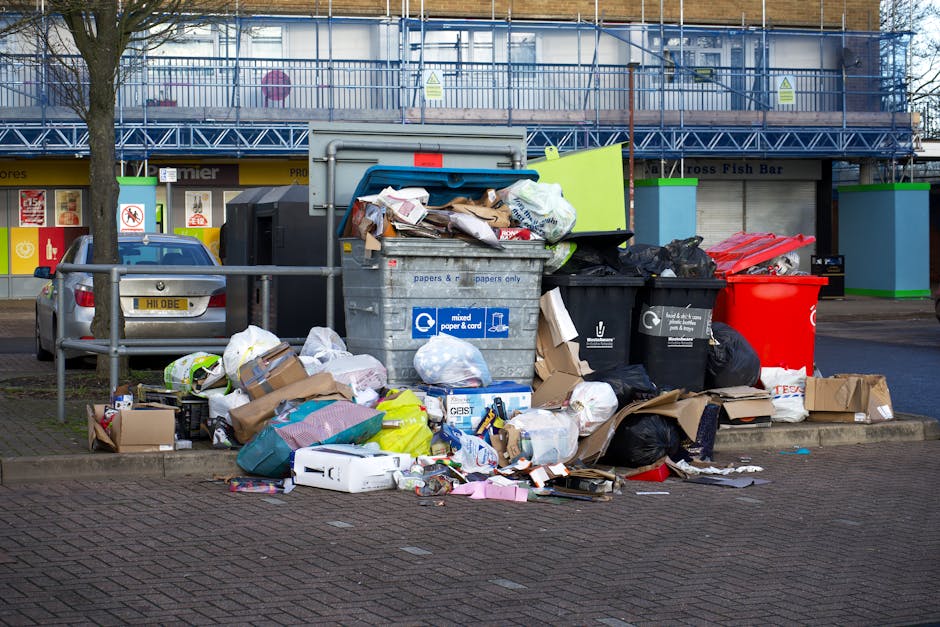
On paper, rubbish clearance looks straightforward. In practice, it is one of those landlord costs that can balloon if you do not understand what is actually being charged. A small job can become a bigger one because access is awkward, the items are heavy, or the property contains mixed waste that cannot be treated as a simple load-and-go collection. That is the bit many landlords only discover after the quote lands.
In Kingston, the local housing mix matters too. You get flats above shops, period properties with narrow stairs, family houses with full sheds and gardens, and investment properties that have been left in an awkward state after a quick turnaround. Each one creates a different clearance profile. A single sofa from a second-floor flat is not the same as a full end-of-tenancy clearance with white goods, bagged waste, broken furniture and general junk stacked in the garden.
For landlords, the real cost is not just the invoice. It is the knock-on effect: delayed re-letting, extra cleaning, missed inspection windows and, sometimes, a frustrated letting agent chasing you for decisions. Let's face it, a property sitting empty for even a little too long has a way of becoming expensive without making much noise.
If you are also weighing up broader property performance in the area, it can help to think about the local market context. Articles such as Kingston real estate trends and Kingston real estate for smart investors are useful background reading when you are considering turnaround timing and refurbishment decisions.
How Kingston rubbish clearance real cost guide for landlords Works
A proper clearance quote is usually based on a mix of volume, labour, access, item type and disposal route. Most reputable operators will want to know what needs removing, where it is located, how easy it is to reach, and whether anything is hazardous, bulky or unusually heavy. That is not sales fluff; it is how the real job gets priced.
Here is the basic structure:
- Assessment - The provider asks for photos, a description, or a site visit if needed.
- Volume estimate - Waste is often priced by how much vehicle space it takes, not by the number of bags alone.
- Labour and access - Stairs, parking restrictions, distance from vehicle, and disassembly all matter.
- Waste type - General household rubbish, furniture, builders waste and garden waste are not identical in handling.
- Disposal and recycling - Items should be sorted and taken to the correct facility or reuse channel where possible.
One thing landlords often miss is the difference between a tidy clearance and a true end-of-tenancy clear-out. The first might be a few bulky items and some rubbish bags. The second could involve the loft, under-stair cupboards, old curtains, broken blinds, leftover cleaning materials and the stuff tenants always swear was already there. You know the scene.
For a broader view of how waste jobs fit into the wider service mix, the services overview and waste removal Kingston pages are helpful context for landlords comparing different types of job.
Key Benefits and Practical Advantages
The main benefit is control. When you understand the real cost drivers, you can make decisions quickly instead of waiting for a vague quote and hoping for the best. But there is more to it than that.
- Faster re-let times - A cleared property can move to cleaning, photos and viewings sooner.
- Cleaner presentation - Empty spaces always photograph better, and that matters when listings go live.
- Reduced stress - A single, organised clearance is easier than multiple ad hoc trips to deal with rubbish yourself.
- Better compliance habits - Professional clearance helps you keep waste handling more organised and traceable.
- Lower hidden costs - You avoid the slow leak of van hire, fuel, parking issues and time lost sorting out disposal.
There is also a reputational angle. If you manage multiple properties, word gets around quickly among agents, contractors and tenants. A landlord who sorts issues promptly tends to get smoother cooperation. It sounds small, but in real life it is not small at all.
Where clearance is part of a bigger reset, some landlords also need house clearance Kingston support for whole-property turnovers, or rubbish collection Kingston for quicker, more routine removals.
Who This Is For and When It Makes Sense
This guide is mainly for private landlords, portfolio landlords, letting agents, block managers and anyone responsible for getting a Kingston property back into rentable condition. It also helps executors or family members dealing with a property that has to be emptied before sale or refurbishment, although the landlord angle is the main focus here.
It makes sense to arrange clearance when:
- a tenancy ends and the property is left with unwanted items
- you are preparing for a deep clean or decorating work
- a tenant has abandoned furniture or rubbish
- the garden or shed is overflowing and affecting presentation
- you need to remove builders waste after minor works
- there is a same-week viewing or inventory deadline
If you are dealing with external clutter too, a separate job may be more suitable for garden waste removal Kingston. For refurbishment debris, builders waste disposal Kingston is the better fit.
There is a bit of judgement involved. Not every property needs the full bells-and-whistles treatment. Sometimes you only need a lean, efficient collection of the awkward stuff. Other times, truth be told, the place needs a proper reset from top to bottom. You can usually tell by the smell, the piles, and that slightly defeated feeling when you open the first cupboard.
Step-by-Step Guidance
If you want the process to stay cost-effective, keep it structured. The most expensive clearances are often the ones where everyone is guessing.
1. Walk the property before you book anything
Do a full visual check, room by room. Don't forget the loft, cellar, shed, under beds, and outside storage. In landlord work, the obvious items are rarely the full story.
2. Separate what can stay, be reused, or be donated
Even if you are not managing the clearance yourself, identifying reusable pieces can reduce what needs removing. A table with a scratch is still a table. A mattress with damage is not. It is that simple, usually.
3. Take clear photos from multiple angles
Photos help avoid pricing disputes and give the clearance team a realistic picture of access and load size. Include stairwells, parking constraints and any tight corners. A few extra pictures at 8am can save a long conversation later.
4. Ask what the quote includes
Does it include labour, loading, disposal fees, recycling sorting, VAT if applicable, and any stair carry charge? If not, you need to know before booking. The cheapest headline number is not always the cheapest actual cost.
5. Time the job around the next step in the property cycle
Ideally, clearance sits just before cleaning, decorating or maintenance. If you book too early, more mess may appear. Too late, and you miss your re-let window. It's a balancing act, and landlords know that feeling all too well.
6. Confirm access details in writing
Parking, permits, key collection, entry codes and neighbour sensitivities all matter. In Kingston, where streets can be busy and access can be a bit fiddly, this is often where jobs become slower than expected.
7. Review the cleared property before final sign-off
Check that everything agreed has gone, including forgotten corners and outdoor areas. A quick final sweep is worth it. You do not want to discover a broken lamp and two bags of mystery clutter after the crew has driven away.
Expert Tips for Better Results
Here is the sort of advice that saves money in the real world, not just on paper.
- Bundle related jobs where sensible. A landlord clearance, garden tidy and minor builders waste removal can sometimes be managed more efficiently together than as separate visits.
- Use photos, not vague descriptions. "A few bits of rubbish" can mean anything. A sofa, bed frame and five bin bags is already a job with a different profile.
- Check access first. Steep paths, narrow stairs and no parking nearby can add time. If the property is near busier parts of Kingston, plan for that extra friction.
- Ask how waste is sorted. Good clearance work should not feel like everything is just thrown into the nearest pile. Sorting matters for recycling and cost control.
- Plan for the surprises. There is nearly always one. A mattress hidden behind a wardrobe, a broken freezer in the shed, a bag of damp carpet under the stairs. Almost always.
If you want reassurance about how a provider handles materials, it is worth reading about recycling and sustainability and insurance and safety. Those pages help set expectations around responsible handling and sensible risk management.
And one more thing: if a quote sounds too clean to be true, ask more questions. That is not cynicism. That is property management.
Common Mistakes to Avoid
A lot of landlords lose money on rubbish clearance in ways that are completely avoidable.
- Booking off a rough guess. Underestimating volume is the classic mistake.
- Ignoring access issues. A flat on the third floor with no lift is not the same as a ground-floor clearance.
- Mixing waste types without checking. General rubbish, furniture and DIY waste are often priced differently.
- Assuming everything is included. Stair carries, labour, parking and disposal can all affect the final figure.
- Leaving the job until the last minute. Urgent clearances usually cost more and create more stress.
- Failing to document the condition. For deposit disputes or handover conversations, pictures matter.
Another common issue is forgetting how the property sits in the local market. If your next tenant expects a clean, quick, move-in-ready home, a slow clearance process can undermine that first impression. Kingston renters are often comparing several options at once, so delays are felt immediately.
Tools, Resources and Recommendations
You do not need much in the way of fancy tools, but the right basics help.
- Phone camera - For photos and before/after records
- Simple room checklist - To avoid missing lofts, sheds and cupboards
- Measuring tape - Helpful for bulky items and access points
- Property inventory notes - Useful when you need to show what was left behind
- Secure bagging and labels - Keeps reusable, recyclable and disposable items apart
For landlords who manage properties in different states of repair, it can also help to keep a few service references handy. Waste removal Kingston is useful for broader disposal needs, while office clearance Kingston may be relevant if you also manage mixed-use or commercial units. If you are handling a flat near a retail parade, that crossover happens more often than you might think.
And if you like to understand Kingston beyond just the property angle, the local context pieces local perspective on Kingston and historic Kingston offer a helpful sense of place. Not essential, but useful if you are building a long-term view.
Law, Compliance, Standards, or Best Practice
This area calls for careful wording. Landlords do not usually need to become waste-law specialists, but they do need to act responsibly. In the UK, waste must be handled and disposed of properly, and a landlord should make sure any contractor is legitimate, insured where appropriate, and able to explain where waste goes in general terms. If you are clearing a rental, especially after tenants leave, it is good practice to keep records of what was removed and when.
There are a few practical standards worth following:
- Use a clear scope. Spell out what stays and what goes.
- Keep records. Save quotes, photos and completion notes.
- Ask about waste handling. Responsible sorting and disposal should be part of the service.
- Check safety arrangements. Heavy lifting, sharps, damp materials and broken furniture all create risk.
- Stay cautious with hazardous items. If anything unusual turns up, handle it separately and carefully.
If you want to understand how a provider frames responsible operations, the site's terms and conditions and privacy policy are sensible reference points for booking expectations and data handling. The about us page also helps with trust and background before you instruct anyone to work in a tenant-occupied or recently vacated property.
Best practice is not glamorous, but it is what keeps landlords out of trouble. That part matters more than people admit.
Options, Methods, or Comparison Table
Landlords in Kingston usually choose between three broad approaches. The right one depends on urgency, volume and how hands-on you want to be.
| Method | Best for | Pros | Trade-offs |
|---|---|---|---|
| DIY removal | Very small loads and low-value items | Cheap on paper, complete control | Time-consuming, parking/fuel hassle, disposal risks |
| Mixed local collection | Routine rubbish and recurring small jobs | Flexible and usually simpler to arrange | May not suit bulky or mixed clearance work |
| Full clearance service | End-of-tenancy resets, bulky items, whole-room clear-outs | Fast, organised, less disruption | Higher upfront cost, especially with access issues |
As a rule of thumb, the cheapest option is not always the smartest. If you have to take a day off, hire a van, pay for fuel, move heavy items yourself and still sort disposal, your "cheap" option starts looking a bit different. Funny how that happens.
For larger jobs or mixed waste, service pages like house clearance Kingston and rubbish collection Kingston are the most relevant comparisons for a landlord deciding how to proceed.

Case Study or Real-World Example
Imagine a two-bedroom Kingston flat at the end of a tenancy. The tenant has left a wardrobe, a broken desk, several black bags, a mattress, a couple of kitchen items and some loose rubbish in the hallway. The garden also has a small pile of old plant pots and a damaged chair.
A landlord looking only at the mattress and wardrobe might expect a small job. But once access, bag count, garden items and labour are counted properly, the clearance is clearly more involved. The real cost is shaped by the full picture, not the most obvious item in the room.
In a case like this, the best result usually comes from:
- photographing every area before booking
- asking for a written scope of what is included
- confirming whether garden waste and internal rubbish can be handled together
- booking clearance before the final clean and inventory
- checking the property immediately after the job is done
That sequence saves time and embarrassment. It also reduces the chance that you are paying for another visit because one awkward item was left behind. You would be surprised how often that happens with wardrobes, by the way. They seem to breed.
If your property is around busy parts of the town centre, or if access is especially awkward, related local guides such as fast rubbish clearance near Kingston Station and bulky waste clearance for steep access can give you useful context on how local access issues affect planning.
Practical Checklist
Use this before you approve any clearance job.
- Have I checked every room, cupboard, loft, shed and outdoor area?
- Do I know what is staying, what is being reused, and what is going?
- Have I taken clear photos of items and access points?
- Do I know whether the quote includes labour, disposal and any extra handling?
- Is there anything hazardous, heavy or unusual that needs separate attention?
- Have parking, entry and timing been agreed?
- Does the booking fit with cleaning, decorating or re-letting?
- Have I saved a copy of the quote and any instructions?
- Do I know who will sign off the work on the day?
- Have I checked the property again after clearance?
If you are dealing with a shop-front or mixed commercial setting, one local article worth a look is Kingston Bentall Centre rubbish disposal for shops and retailers. Different setting, same lesson: access and timing can change the job more than people expect.
Conclusion
The real cost of rubbish clearance for Kingston landlords is never just about how many items leave the property. It is about volume, access, waste type, timing, and how smoothly the job fits into the next stage of the tenancy cycle. Once you understand those moving parts, pricing becomes easier to judge and much harder to overpay for.
The smartest landlords do not chase the lowest headline figure. They look for clarity, fair scope, good communication and a process that saves time as well as money. That is the difference between a rushed fix and a proper turnaround. And in Kingston, where property moves quickly when everything is ready, that difference matters more than most people admit.
Get a free quote today and see how much you can save.
Choose the right clearance approach, keep your records tidy, and the whole job becomes less of a headache. A calmer property week is a beautiful thing, honestly.

Copyright © . House Clearance Kingston. All Rights Reserved.